

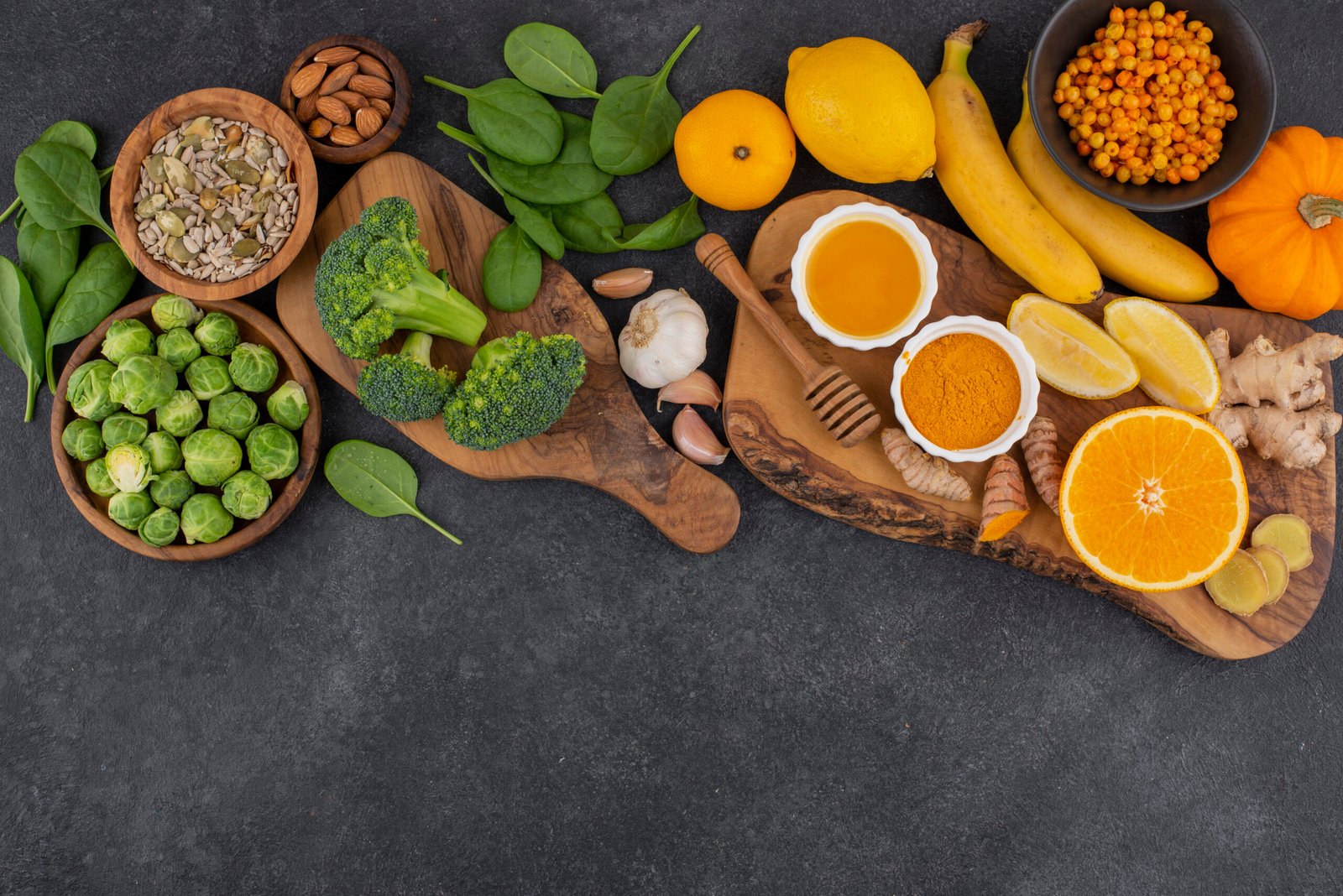
Top 10 Immunity-Boosting Foods
A strong immune system is your body’s first line of defence against infections, viruses, and other illnesses. While no single food can prevent disease, a healthy and balanced diet rich in essential vitamins, minerals, and antioxidants can help support your immune system and overall wellbeing.

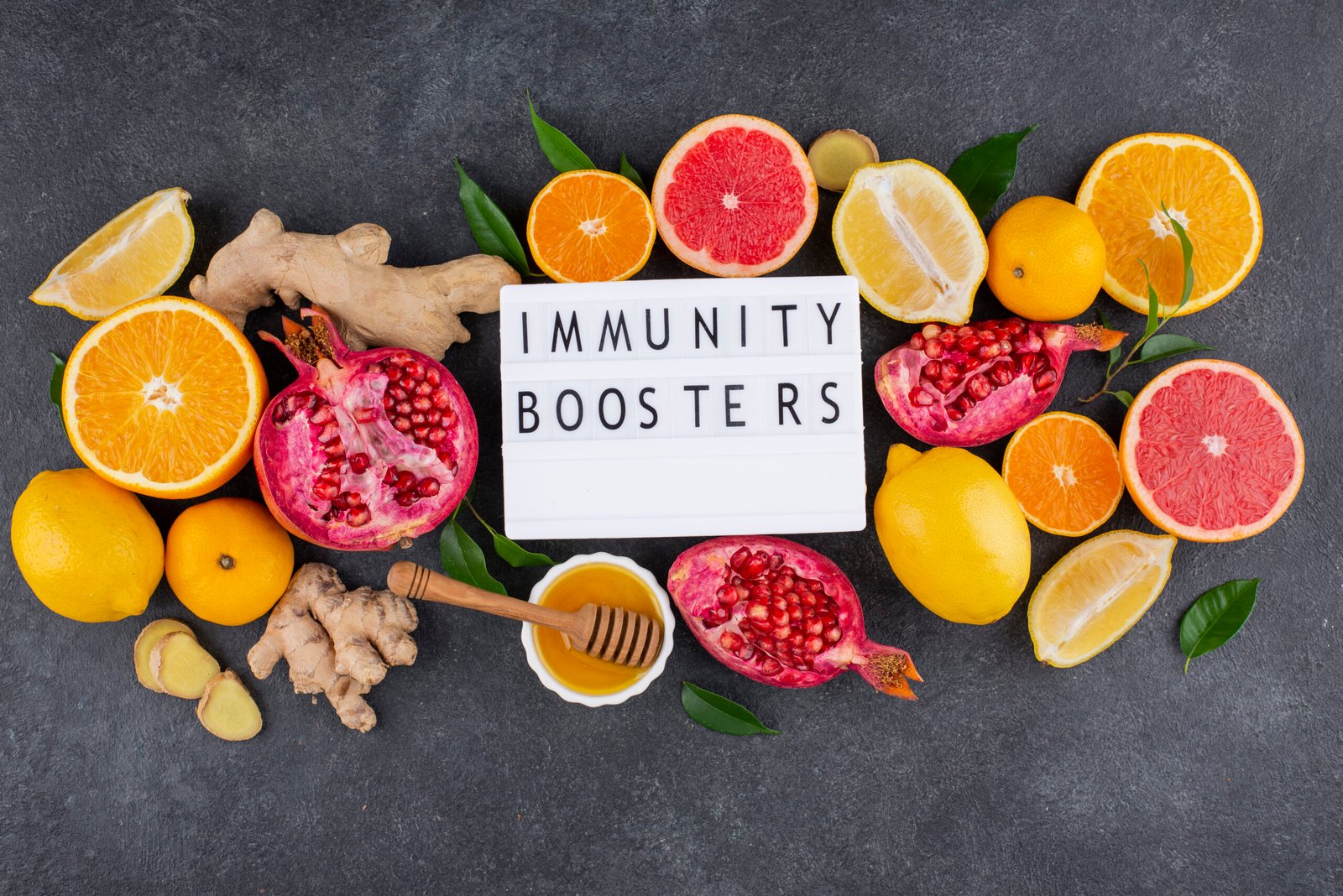
Adding nutrient-dense foods to your daily meals can improve your body’s natural defence mechanisms, reduce inflammation, and promote faster recovery when you’re unwell.
Here are the top 10 immunity-boosting foods that deserve a place on your plate.
1. Citrus Fruits
Citrus fruits are among the best sources of Vitamin C, a nutrient known for supporting normal immune function.
Popular choices include:
- Oranges
- Lemons
- Grapefruits
- Limes
- Tangerines
Vitamin C helps stimulate the production of white blood cells, which play an important role in fighting infections.
Tip: Enjoy fresh citrus fruits or add lemon juice to water for a refreshing immune-friendly drink.
2. Garlic
Garlic has been valued for its medicinal properties for centuries. It contains allicin, a natural compound known for its antimicrobial and antioxidant effects.
Regular consumption of garlic may:
- Support immune health
- Help reduce inflammation
- Promote heart health
Adding fresh garlic to soups, curries, stir-fries, and sauces is an easy way to boost both flavour and nutrition.
3. Ginger
Ginger is widely recognised for its anti-inflammatory and antioxidant properties.
It may help:
- Support immune function
- Soothe sore throats
- Reduce nausea
- Aid digestion
Fresh ginger tea is a popular choice during cold and flu season.
4. Yogurt
Yogurt contains probiotics, the beneficial bacteria that support a healthy gut.
Since a large portion of the immune system is closely linked to gut health, maintaining a balanced gut microbiome is essential for overall immunity.
Choose plain yogurt with live cultures and avoid varieties high in added sugar.
5. Spinach
Spinach is packed with nutrients including:
- Vitamin C
- Vitamin A
- Iron
- Folate
- Antioxidants
These nutrients help support immune cell function while promoting overall health.
Lightly cooking spinach helps improve the absorption of some nutrients without significantly reducing its benefits.
6. Almonds
Vitamin E is an important antioxidant that helps protect immune cells from oxidative stress.
Almonds are an excellent source of:
- Vitamin E
- Healthy fats
- Protein
- Magnesium
A small handful of almonds makes a nutritious snack that supports both heart health and immunity.
7. Turmeric
Turmeric contains curcumin, a natural compound with antioxidant and anti-inflammatory properties.
Research suggests curcumin may help support immune function and reduce inflammation when consumed as part of a healthy diet.
For better absorption, combine turmeric with black pepper and healthy fats.
8. Berries
Blueberries, strawberries, raspberries, and blackberries are rich in antioxidants, especially flavonoids and Vitamin C.
These nutrients help:
- Protect cells from damage
- Reduce oxidative stress
- Support immune health
Fresh or frozen berries make a great addition to smoothies, oatmeal, or yogurt.
9. Green Tea
Green tea contains powerful antioxidants called catechins, which help protect cells against oxidative stress.
It also provides:
- Polyphenols
- L-theanine
- Small amounts of caffeine
Drinking one or two cups daily can complement a healthy lifestyle and support overall wellbeing.
10. Oily Fish
Fatty fish such as salmon, sardines, and mackerel are rich in Omega-3 fatty acids and Vitamin D, both of which play important roles in immune health.
Regular consumption may help:
- Support immune response
- Reduce inflammation
- Promote heart and brain health
Aim to include oily fish in your meals at least once or twice a week.
Additional Tips for a Strong Immune System
While nutritious foods provide essential support, healthy habits are equally important.
To keep your immune system functioning at its best:
- Eat a balanced diet rich in fruits and vegetables.
- Stay well hydrated.
- Exercise regularly.
- Get 7–9 hours of quality sleep each night.
- Manage stress through relaxation techniques or physical activity.
- Avoid smoking and limit alcohol consumption.
Can Supplements Replace Healthy Foods?
Supplements can help address specific nutrient deficiencies, but they should not replace a balanced diet. Whole foods provide a combination of vitamins, minerals, fibre, and plant compounds that work together to support overall health.
If you suspect you have a vitamin deficiency, speak with a healthcare professional before starting supplements.